

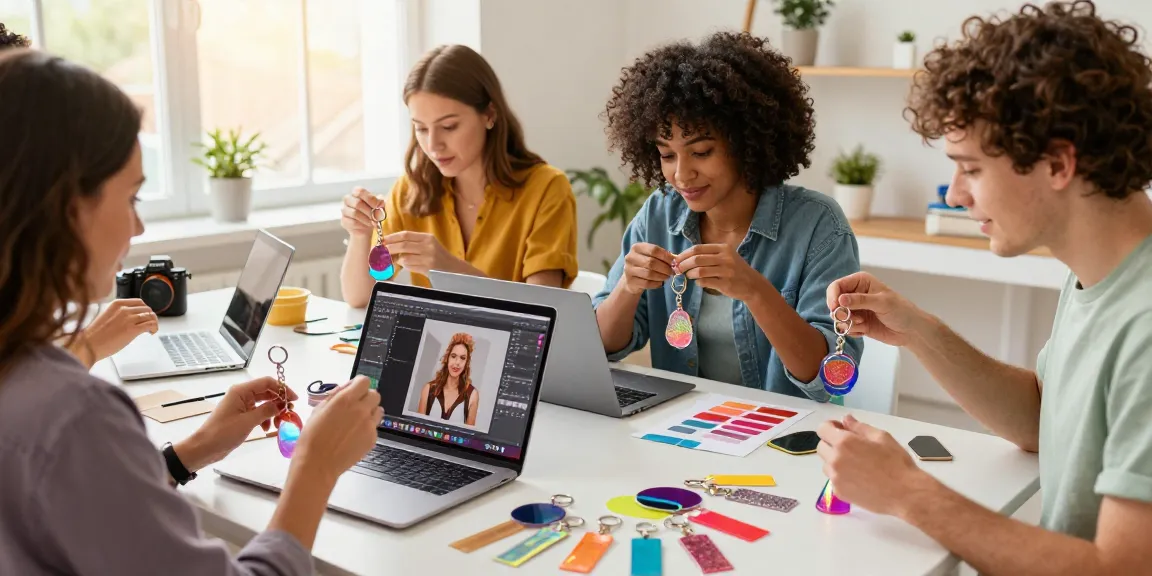
Understanding the Custom Keychain Market
The custom keychain market has seen a significant evolution, reflecting the changing preferences of consumers and businesses alike. Keychains serve not only as practical tools for holding keys but have also morphed into personalised accessories and promotional items that can convey a message or brand identity. As such, understanding the intricacies of the custom keychain market is essential for both consumers and sellers. This article delves into the various aspects of custom keychains, including their uses, market trends projected for 2026, and how to effectively identify and target your audience.
When exploring options, custom keychains provide comprehensive insights into the myriad of designs and materials available, catering to a diverse range of tastes and budgets.
What Are Custom Keychains and Their Uses?
Custom keychains are personalised accessories that can be made from various materials such as acrylic, metal, plastic, and wood. They can be designed to reflect personal tastes, serve as gifts, or act as promotional items for businesses. Their versatility makes them suitable for many uses, including:
- Brand Promotion: Businesses often use custom keychains to enhance brand visibility. They can be distributed at events or given as gifts to clients.
- Personal Accessories: Consumers may choose custom designs that express their individuality or celebrate special occasions.
- Functional Utility: Beyond aesthetics, keychains can be designed to hold not just keys but also other small items like USB drives.
Market Trends for Custom Keychains in 2026
The market for custom keychains is projected to grow due to increasing demand for personalised items. According to recent forecasts, the global market is expected to reach a value of over £1 billion by 2026. Several trends are shaping this growth:
- Eco-Friendly Options: With a rising focus on sustainability, manufacturers are increasingly offering biodegradable and recyclable materials.
- Technology Integration: The incorporation of smart technology into keychains, such as Bluetooth tracking, is becoming more prevalent.
- Artisanal and Handmade Products: Consumers are opting for unique pieces that exhibit craftsmanship, leading to a higher demand for handcrafted keychains.
Identifying Your Target Audience for Custom Keychains
Understanding your target audience is vital for effectively marketing custom keychains. Generally, the audience can be segmented into:
- Businesses: Companies seeking promotional products.
- Consumers: Individuals looking for unique gifts or personal accessories.
- Event Organisers: Entities that need bulk orders for events, weddings, or conferences.
Materials and Techniques for Creating Custom Keychains
Popular Materials for Custom Keychains: From Acrylic to Metal
When it comes to materials, custom keychains can be crafted from a broad range of options, including:
- Acrylic: Lightweight and available in various colours, acrylic keychains are popular for their versatility.
- Metal: Durable and often perceived as high-quality, metal keychains can hold intricate designs and logos.
- PVC: Flexible and resistant to wear, PVC keychains are often used for more whimsical designs.
- Wood: Eco-conscious consumers may opt for wooden keychains, which can showcase natural grain patterns.
Printing Techniques: Choosing the Right Method for Your Design
The method selected for printing custom keychains greatly influences the final product’s aesthetics and durability. Common techniques include:
- Screen Printing: Suitable for bold, vibrant designs, this method is cost-effective for larger orders.
- Laser Engraving: This technique offers precision and longevity, making it ideal for intricate designs and logos.
- Full-Colour Digital Printing: Perfect for photos or detailed graphics, enabling high-quality reproduction directly onto the surface.
Designing Custom Keychains: Tips for Unique Styles
To create memorable custom keychains, consider the following tips:
- Think Outside the Box: Explore unconventional shapes and designs that stand out in the market.
- Focus on Functionality: Add features like bottle openers or mini flashlights to enhance utility.
- Employ Bold Colours: Bright, eye-catching colours can attract attention and reflect the intended message.
Marketing Strategies for Custom Keychains
Building Your Brand Identity in the Custom Merchandise Space
Establishing a strong brand identity is crucial when entering the competitive market of custom merchandise. Key strategies include:
- Consistent Branding: Ensure that your logo and colour scheme are cohesive across all products.
- Storytelling: Share the story behind your brand to connect emotionally with consumers.
Effective Social Media Campaigns for Custom Keychains
Social media is a powerful tool for marketing custom keychains. Strategies to consider might include:
- Engaging Content: Use visually appealing images of your keychains, along with customer testimonials.
- Hashtag Campaigns: Create branded hashtags to encourage customer interaction and build community.
Utilising Influencer Collaborations to Boost Sales
Partnering with influencers can enhance brand credibility and reach a broader audience. Here’s how:
- Choose the Right Influencers: Select influencers whose audience aligns with your target demographic.
- Co-create Products: Collaborate with influencers to design special edition keychains, making them exclusive and desirable.
Operational Considerations for Custom Keychains Production
Setting Up an Efficient Production Workflow
To maximise efficiency in custom keychain production, it’s essential to streamline processes. Consider the following:
- Standardise Procedures: Develop clear guidelines for each stage of production to minimise errors.
- Invest in Technology: Utilise software to manage inventory and production schedules effectively.
Quality Control Measures for Custom Keychains
Quality control ensures that every keychain meets the desired standards. Implement strategies such as:
- Regular Inspections: Conduct thorough inspections at each stage of production.
- Feedback Loops: Encourage consumer feedback to identify areas for improvement.
Managing Inventory and Supply Chain Challenges
Effective inventory management is crucial to accommodate fluctuations in demand. Consider these approaches:
- Just-In-Time Inventory: Reduce holding costs by only ordering supplies as needed.
- Supplier Relationships: Build strong relationships with suppliers for reliable delivery timelines.
Future Innovations and Opportunities in Custom Keychains
The Role of Technology in Custom Keychain Design
Technology plays a significant role in enhancing the design and production of custom keychains. Innovations to watch include:
- 3D Printing: Allows for more complex designs and quicker prototypes.
- Augmented Reality (AR): Enhances customer interaction by allowing them to visualise products in real-time.
Personalisation Trends to Watch in 2026
Personalisation continues to be a growing trend in the custom merchandise market. Keychain designs that allow for individual input will dominate, including:
- Custom Text: Options for customers to add names or messages.
- Design Options: Allowing customers to mix and match elements.
Expanding Your Product Line Beyond Keychains
Diversifying your product offerings can help capture a broader market. Consider adding complementary items such as:
- Custom bags or pouches that align with the keychain designs.
- Promotional items like stickers or magnets that can be bundled with keychains.
What Are Customer Expectations for Custom Keychains?
Understanding what customers expect can help refine your approach. Customers typically look for:
- High Quality: Durable materials and workmanship are essential.
- Value for Money: Competitive pricing is crucial while maintaining quality.
- Personal Touch: A unique design that resonates with their personal style or values.
How to Handle Common Challenges in Custom Keychain Sales?
Common challenges include fluctuating demand and production delays. Strategies to address these could include:
- Flexible Production: Develop relationships with multiple suppliers to mitigate risks.
- Forecasting Demand: Use historical data and market analysis to predict sales trends.
Where to Source High-Quality Materials for Custom Keychains?
Sourcing quality materials is critical for producing superior custom keychains. Consider the following options:
- Local Suppliers: Often provide faster shipping times and can offer support and guidance.
- Online Marketplaces: Platforms that specialise in custom merchandise can provide a wide range of options.
What Are the Best Practices for Shipping Custom Keychains?
Shipping practices can significantly affect customer satisfaction. Best practices include:
- Secure Packaging: Ensure that keychains are well-protected during transit to prevent damage.
- Clear Communication: Inform customers about shipping times and tracking options.
How to Set Competitive Pricing for Your Custom Keychains?
Pricing strategies should consider materials, labour, and market demand. Here are some tips:
- Research Competitors: Understand the pricing landscape to position your products effectively.
- Cost Analysis: Regularly assess your production costs to ensure profitability.
What Are the Key Metrics to Measure Success in Custom Keychain Sales?
To gauge success in the custom keychain sector, focus on metrics such as:
- Sales Growth: Track year-over-year growth to assess overall performance.
- Customer Retention: Measure repeat purchases as an indicator of customer satisfaction.
- Market Share: Analyse your position relative to competitors within the custom merchandise space.