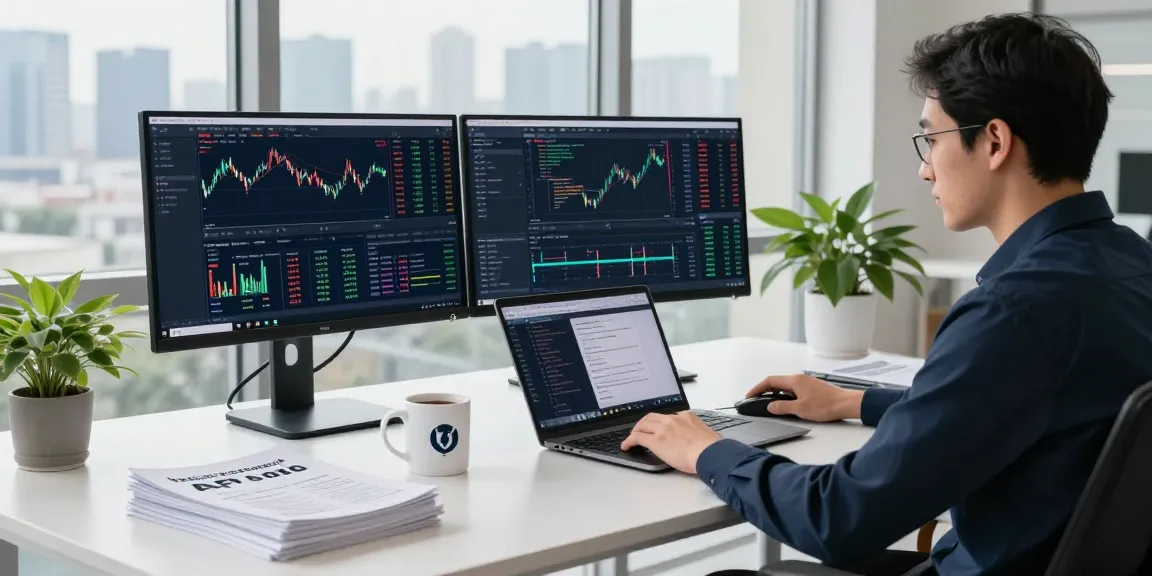
Understanding Quantitative Trading Data Feeds
In today's fast-paced financial markets, having access to real-time data is not just an advantage; it's a necessity. Quantitative trading, which employs complex mathematical models to identify trading opportunities, relies heavily on accurate and timely financial data feeds. These data feeds provide essential information regarding various assets, including foreign exchange, equities, indices, cryptocurrencies, and more. Without access to these crucial data sources, traders and developers would struggle to make informed decisions or build robust trading systems. When exploring options, quantitative trading data feed solutions are vital for those aiming to harness data efficiently.
What is a Quantitative Trading Data Feed?
A quantitative trading data feed is a service that delivers real-time or historical data regarding financial assets. This data is aggregated from various sources, ensuring a comprehensive view of market activity. These feeds are designed to be consumed programmatically, allowing developers to integrate the data seamlessly into trading applications, analytics tools, or portfolio management systems. Key components of these feeds include updated price quotes, trading volumes, and other market indicators that are pivotal for algorithmic trading strategies.
The Importance of Real-Time Financial Data
Real-time financial data is critical in high-frequency trading environments where milliseconds can influence profitability. Traders leverage this data to make informed buy or sell decisions, react to market changes instantly, and execute trades at optimal prices. Moreover, financial institutions and hedge funds use this data to analyze trends, forecast market movements, and manage risk effectively.
Key Components of Effective Data Feeds
- Timeliness: The speed at which data is delivered can impact trading strategies significantly. Real-time updates are essential for execution and performance.
- Accuracy: Data integrity is paramount. Inaccurate data can lead to flawed trading decisions and substantial losses.
- Coverage: Comprehensive data feeds cover a wide range of financial instruments, allowing traders to diversify their portfolios and strategies.
- Format and Compatibility: Data feeds should be delivered in formats that are easy to use within trading applications, such as JSON or XML.
How to Choose the Right Data Feed Provider
Selecting a reliable data feed provider is crucial for the success of any quantitative trading operation. A poor choice can result in lost opportunities and diminished trading performance. Several factors should be considered when evaluating potential providers to ensure they meet your specific needs.
Evaluating Provider Reliability and Performance
Look for providers that have a proven track record of uptime and performance. Reliability can often be inferred from customer testimonials and industry reputation. Ensure the provider offers good latency rates, as low latency is essential for executing trading strategies effectively.
Comparing Costs and Subscription Models
Different providers offer various pricing structures, including subscription models that may be monthly or based on usage. It's essential to assess what fits into your budget while also considering the value provided. Free trials or tiered pricing can help you evaluate a provider before committing long-term.
Understanding API Documentation and Support
Robust API documentation is vital for developers looking to integrate data feeds. Good documentation includes clear examples, endpoints, error handling, and data schema. Additionally, consider the level of customer support provided—being able to get immediate assistance is key when facing integration challenges.
Best Practices for Integrating Data Feeds
Once you've selected a data feed provider, the next step involves integrating the feed into your trading systems. Proper integration ensures that your trading algorithms function optimally while maintaining data accuracy and security.
Ensuring Data Accuracy and Timeliness
Regularly validate the data being received through your feeds. Implement checks that compare incoming data against reliable sources to confirm accuracy. Additionally, maintain a close watch on latency and delays in data retrieval to ensure you are receiving timely information for trading.
Streamlining Integration with Trading Platforms
Simplifying the integration process involves using middleware or frameworks that can ease the path to connecting with trading platforms. Choose technologies that facilitate seamless communication between the data feed and your trading engine, making sure to optimize for performance.
Security Measures for Safe Data Handling
Implementing strong security protocols is crucial when handling sensitive financial data. Use encryption for data transmission and storage, and ensure that proper access controls are in place to restrict unauthorized access. Regularly audit your security measures to protect against evolving threats in the digital landscape.
Real-World Applications of Quantitative Trading Data
The practical use of quantitative trading data extends beyond mere algorithmic trading strategies. Financial institutions, hedge funds, and retail traders utilize these feeds to enhance their decision-making processes across various scenarios.
Case Studies: Success Stories from Traders
Many successful trading strategies have emerged thanks to advancements in data feeds. For instance, a hedge fund that utilized a quantitative trading data feed to analyze market trends was able to increase its returns significantly by deploying advanced machine learning algorithms that adapted to real-time market conditions.
Industry-specific Use Cases for Financial Institutions
Different segments within financial markets apply quantitative trading data in unique ways. For example, asset managers may use feeds to rebalance portfolios, while proprietary trading firms analyze data to identify arbitrage opportunities. Understanding these industry-specific applications can provide insights into how different players maximize their trading performance.
Innovative Analytical Tools Leveraging Data Feeds
New analytical tools are emerging rapidly, leveraging quantitative trading data feeds to provide traders and institutions with deeper insights into market dynamics. Tools incorporating artificial intelligence can identify patterns and suggest trading strategies, creating a synergy between data feeds and innovative technology.
Future Trends in Quantitative Trading Data Feeds (2026 and Beyond)
As financial technology continues to develop, the landscape for quantitative trading data feeds will see significant transformations. Future trends will be influenced by technological advancements and regulatory changes that shape the industry.
Emerging Technologies Shaping Data Feeds
Innovations such as blockchain technology and distributed ledger systems are expected to impact the reliability and speed of financial data transmission. These technologies may offer enhanced transparency and reduce the chances of data manipulation, thus improving the overall integrity of the data feeds.
Regulatory Changes Impacting Data Usage
As governments and regulatory bodies increase scrutiny on financial data use, companies must adapt to comply with evolving regulations. Understanding these changes will be key for data feed providers and their customers to ensure ongoing compliance and avoid penalties.
Predictions for Market Evolution and Consumer Needs
With growing competition and advancements in artificial intelligence, the demand for more sophisticated and accurate trading data feeds will continue to rise. Traders will likely seek solutions that not only provide immediate data but also incorporate predictive analytics and other advanced features to enhance trading strategies.
What are the benefits of using a quantitative trading data feed?
Leveraging a quantitative trading data feed enhances decision-making speed and accuracy, supports complex trading strategies, and allows for automated trading systems to thrive.
How do I choose the best API for financial data?
Look for APIs that offer comprehensive documentation, reliable performance, and robust customer support, ensuring they meet your specific trading or analytical needs.
What are the security concerns with data feeds?
Security concerns include data breaches, unauthorized access, and the integrity of the financial data. Employing encryption, access controls, and regular audits can mitigate these risks.
How can data feeds enhance trading strategies?
Data feeds enhance trading strategies by providing real-time insights, enabling automated trading, and allowing traders to act swiftly on market changes.
What are the latest trends in quantitative trading for 2026?
Future trends may include the integration of AI and machine learning, the emergence of blockchain for data verification, and an increasing focus on compliance with regulatory standards.