

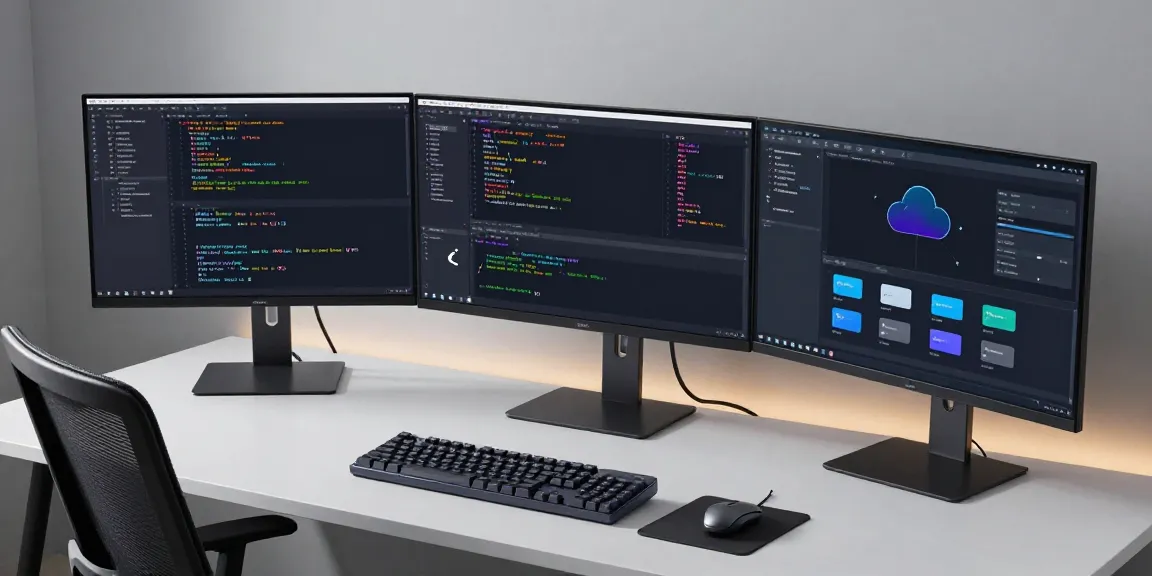
Understanding mb668u and Its Implications for Software Development
As we delve into the modern landscape of software development, it’s critical to explore emerging technologies like mb668u.design. This innovative technology underpins many developments in cloud computing, artificial intelligence, and cybersecurity, providing a framework that enhances both the performance and functionality of applications. By leveraging advanced programming paradigms and architectural styles, developers are finding new ways to solve complex problems and deliver robust solutions.
Introduction to mb668u Technology
At its core, mb668u represents a significant advancement in software architecture, particularly with its focus on microservices and APIs. By breaking down applications into manageable services, developers can ensure scalability and resilience in their designs. This modularity also encourages teams to adopt agile methodologies, allowing for faster iteration and continuous integration/continuous deployment (CI/CD) cycles. Furthermore, the user experience is profoundly enhanced through streamlined interfaces and interactive platforms that utilize mb668u principles.
Impact on Software Architecture and Design Patterns
The adoption of mb668u has introduced transformative changes in software design patterns. For example, the use of containerization technologies like Docker enables developers to create lightweight, portable applications that can run seamlessly across various environments. Coupled with orchestration tools such as Kubernetes, these developments allow for efficient resource allocation and load handling, significantly optimizing performance during high traffic periods. Additionally, service-oriented architecture (SOA) enables services to communicate reliably, facilitating better data management and analysis.
Key Features and Innovations
mb668u comes equipped with several innovative features that stand out in the software development arena. Its support for serverless computing architectures allows developers to build applications without having to manage the underlying infrastructure. This not only reduces operational costs but also enhances scalability as applications can automatically adjust to varying workloads. Moreover, mb668u integrates seamlessly with edge computing solutions, enabling data processing closer to the end-user, thereby reducing latency and improving response times.
The Role of mb668u in Cloud Computing
Cloud computing has revolutionized the way businesses operate, and mb668u plays a pivotal role in this transformation. By facilitating cloud-native application development, it allows businesses to harness the full capabilities of cloud providers.
Integration with Major Cloud Providers: AWS, Azure, GCP
mb668u technology seamlessly integrates with leading cloud service providers like Amazon Web Services (AWS), Microsoft Azure, and Google Cloud Platform (GCP). This integration offers numerous advantages, including enhanced scalability and flexibility that traditional computing models cannot match. By deploying applications on these cloud platforms, developers benefit from robust security measures, significant computing power, and resource management capabilities that optimize application performance and availability.
Benefits of Cloud-Native Solutions
Adopting cloud-native solutions, facilitated by mb668u, provides organizations with the agility needed to adapt to rapidly changing market conditions. The advantages include:
- Scalability: Applications can scale up or down based on demand without manual intervention.
- Cost Efficiency: Businesses only pay for the resources they consume, effectively managing operational costs.
- Faster Time to Market: With CI/CD practices supported by mb668u, iterations can be released quickly and reliably.
- Improved Resilience: Automating failover and recovery processes ensures higher availability of services.
Best Practices for Cloud Deployment
To harness the full potential of mb668u in the cloud, developers should adhere to best practices that streamline deployment processes:
- Emphasize Security: Implement robust security protocols to protect cloud resources, including encryption and access controls.
- Automate Infrastructure: Utilize infrastructure as code (IaC) tools to manage cloud resources efficiently and reduce errors.
- Monitor Performance: Implement monitoring tools for real-time performance tracking and troubleshooting.
- Adopt Agile Practices: Use agile methodologies to facilitate quick feedback loops and iterative development.
AI/ML Implementation: Best Practices and Strategies
Artificial Intelligence (AI) and Machine Learning (ML) are fundamentally reshaping industries, and mb668u technology enhances this trend by providing developers with tools for effective implementation.
Utilizing mb668u for Enhanced Machine Learning
The modular nature of mb668u allows for the proficient integration of machine learning models into applications. By leveraging data pipelines and ETL processes facilitated by this technology, organizations can ensure that their machine learning models receive high-quality, real-time data. Additionally, utilizing containerized environments means that models can be easily deployed, scaled, and updated without significant downtime.
Real-World Applications of AI Technology
There are numerous sectors where AI technologies powered by mb668u are making a considerable impact, such as:
- Healthcare: Machine learning algorithms can predict patient outcomes and personalize treatment plans.
- Finance: Automated trading systems analyze market data to optimize investment strategies.
- Retail: AI applications enhance customer experience through personalized recommendations and inventory management.
Challenges and Solutions in AI Deployment
Despite the benefits, deploying AI technologies presents several challenges including data privacy concerns and algorithmic bias. To address these issues, organizations should:
- Formulate Data Governance Policies: Establish clear guidelines for data usage and management to maintain compliance with regulations.
- Implement Bias Mitigation Strategies: Regularly audit algorithms to identify and rectify biases in data sets.
- Conduct Thorough Testing: Continuously test AI models to ensure they remain effective and fair.
Cybersecurity Protocols: Protecting Digital Assets
As technology advances, so do the risks associated with it, making cybersecurity a paramount concern. mb668u provides robust features for safeguarding digital assets.
Threat Mitigation Strategies Using mb668u
Organizations can leverage mb668u to deploy comprehensive cybersecurity measures that monitor and respond to threats in real-time. This includes:
- Intrusion Detection Systems (IDS): Implementing advanced IDS can quickly identify and neutralize potential threats.
- Data Encryption: Protect sensitive information through strong encryption practices both at rest and in transit.
- Regular Security Audits: Conduct periodic assessments to identify vulnerabilities and improve defenses.
Best Practices for Secure Software Development
Incorporating security into every phase of the software development lifecycle (SDLC) is essential. Best practices include:
- Security Training: Provide developers with the necessary training on secure coding practices.
- Code Reviews: Perform regular code reviews to catch vulnerabilities early in the development process.
- Use of Static Analysis Tools: Implement tools that analyze code for vulnerabilities before deployment.
Emerging Threats and Response Tactics
Organizations must stay vigilant against emerging threats such as ransomware and sophisticated phishing attacks. Adaptive response tactics can mitigate risks effectively by:
- Establishing Incident Response Plans: Having a clear plan helps organizations respond swiftly to breaches and minimize damage.
- Utilizing Machine Learning for Threat Detection: Apply AI algorithms to recognize patterns indicative of attacks.
- Maintaining Software Updates: Regular updates ensure systems are resilient against known vulnerabilities.
Future Trends in Software Development with mb668u
As we look to the future, several trends are shaping the development landscape. Understanding these trends is crucial for developers who want to remain competitive.
Development of DevOps and CI/CD Pipelines
The integration of mb668u technology is fostering the growth of DevOps practices and advanced CI/CD pipelines. These methodologies encourage collaboration between development and operations teams, leading to faster delivery cycles and improved product quality.
Performance Optimization Techniques
With user expectations continually rising, optimizing application performance remains a top priority. Developers are increasingly utilizing mb668u to implement caching mechanisms, load balancing, and content delivery networks (CDNs) to enhance user experience significantly.
Next-Gen Technologies to Watch in 2026
As we move towards 2026, several technologies are poised to transform software development, including:
- Quantum Computing: The potential of quantum computing could revolutionize computational resources available for software applications.
- Federated Learning: This decentralized approach to machine learning will protect data privacy while still enabling collaborative model training.
- Blockchain: Increased adoption of blockchain for tracking changes in supply chains and securing transaction data will significantly impact various industries.
FAQs about mb668u Technology
What is mb668u?
mb668u refers to a suite of technologies and methodologies designed to enhance software development practices through containerization, microservices, and cloud integration. It fosters a more efficient and collaborative development environment.
How does mb668u impact software scalability?
The modular approach of mb668u allows applications to scale easily by adding or removing services based on demand, ensuring continuous performance under varying workloads.
What future developments can we expect from mb668u?
We can anticipate advancements in artificial intelligence, improved automation tools, and even more sophisticated cloud integration capabilities, further enhancing the software development landscape.. Additionally, Orbital Magazine provides further details.