Understanding Image to Image Techniques
In the ever-evolving world of digital art, the concept of image to image transformation has emerged as a powerful tool. This technique allows artists and designers to manipulate images in innovative ways, creating new visual experiences and expanding the boundaries of art. By utilizing algorithms, software, and artistic intuition, practitioners can transform a source image into an entirely new creation while preserving various elements of the original. This article explores the intricacies of image to image techniques, offering insights on their significance, tools, applications, best practices, and future trends.
What is Image to Image Transformation?
Image to image transformation refers to the process of converting one image into another through various methods. This transformation can involve style transfer, where the texture or aesthetic of one image is applied to another, or it may entail altering specific elements while maintaining core characteristics. The advancements in artificial intelligence and machine learning have propelled this field, enabling sophisticated operations that were once the domain of traditional artistry.
The Importance of Image Quality
High-quality images serve as the foundation for effective image to image transformations. The clarity, resolution, and color accuracy of the source image directly influence the final product. A poorly captured image can lead to distorted results, undermining the intended artistic vision. To maximize the potential of image transformations, artists should prioritize sourcing or creating high-resolution images with rich detail.
Common Applications in Digital Art
- Style Transfer: Artists can imbue photographs with the style of famous artworks, creating unique blends that visually innovate.
- Image Completion: Techniques allow for the filling in of missing parts of images, useful in restoring old photographs.
- Augmented Reality: Image transformations enhance user experiences in AR applications by providing layers of artistic interpretation.
- Advertising and Marketing: Brands utilize these techniques to create visually appealing content that captures consumer attention.
Tools for Image to Image Techniques
Essential Software and Plugins
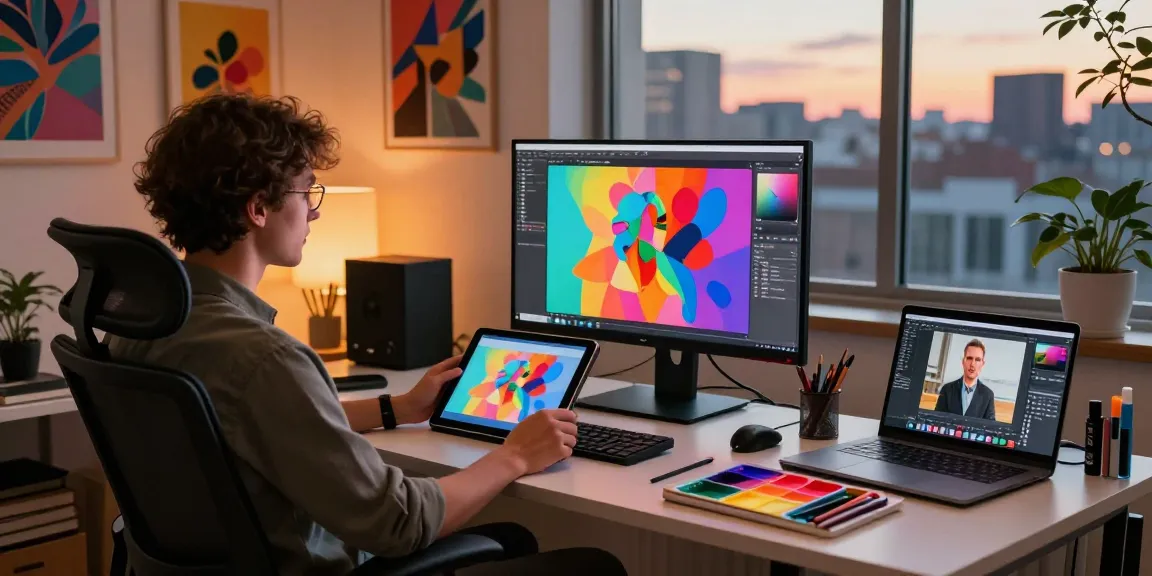
Various software solutions and plugins are available to facilitate image to image transformations. Tools like Adobe Photoshop offer advanced editing features, while specialized software such as DeepArt, RunwayML, and Artbreeder provide unique functionalities tailored for artistic transformations. These platforms often leverage neural networks and other AI technologies to enhance creative possibilities.
Hardware Requirements for Best Performance
To utilize complex image to image transformation tools effectively, having the right hardware is crucial. A robust GPU (Graphics Processing Unit) can significantly speed up processing times for transformations, especially when working with high-resolution images or multiple layers. Artists should also consider investing in sufficient RAM and a fast CPU to handle intensive software smoothly.
Comparing Free vs. Paid Tools
The market offers both free and paid tools for image to image transformations, each with its pros and cons. Free tools may provide basic functionalities but often lack the depth and user support of premium software. Paid tools, while requiring an initial investment, typically offer advanced features, better user interfaces, and dedicated customer service. Artists should assess their specific needs and budget constraints when selecting the right tool.
Step-by-Step Guide to Image Transformation
Preparing Your Source Images
Before diving into transformations, preparing your source images is essential. This involves selecting images that align with your artistic goals and ensuring they meet quality standards. Check for resolution, color balance, and subject matter suitability. Editors should also make initial adjustments using software like Lightroom or Photoshop to enhance the image base.
Implementing Image to Image Methods
Once the preparations are complete, artists can begin applying image to image techniques. This may involve using specific algorithms or artistic styles through software tools. Follow the guidelines specific to your software, paying attention to layer management, blending modes, and filters that can enhance the artistic output.
Troubleshooting Common Issues
Common issues during image transformations include distortion and color mismatches. If results are unsatisfactory, revisit the source images to ensure they are appropriate and high-quality. Additionally, experimenting with different settings or styles can yield better results. Documentation and tutorials provided by software companies can also offer solutions to persistent problems.
Best Practices for Image to Image Transformation
Striking a Balance Between Originality and Influence
In the realm of digital art, finding a balance between originality and influence is vital. While drawing inspiration from existing works is natural, artists must ensure that their transformations do not infringe on copyright. Developing a unique style that incorporates techniques from others, while adding personal flair, can set an artist apart in a crowded digital landscape.
Incorporating Feedback Loops
Feedback loops are essential in the creative process. Sharing work with peers or within online communities can provide valuable insights into effectiveness and aesthetic appeal. Constructive criticism can help refine techniques and improve overall artistic capabilities, leading to continuous improvement in image transformations.
Maintaining Consistency in Style
Consistency in style is crucial, especially for artists aiming to build a recognizable brand or portfolio. By establishing a signature approach to image to image transformations, artists can create cohesion across their body of work. Utilizing a defined palette, consistent subject matter, or a recurrent thematic element can enhance brand identity.
Future Trends in Image to Image Technology
Emerging Technologies Shaping the Industry
The future of image to image technology is poised to witness remarkable advancements. Innovations in AI and machine learning are making transformations faster, more intuitive, and accessible to non-experts. Real-time processing capabilities, augmented reality integrations, and hyper-realistic renderings are just a few examples of potential advancements.
Predictions for 2026 and Beyond
By 2026, we anticipate a significant expansion in the accessibility of sophisticated image to image transformation tools. As technology becomes increasingly user-friendly, more artists and creatives will experiment with these methods. Additionally, the integration of social platforms with AI-driven tools will foster a new wave of collaborative art, pushing the envelope on creativity.
Real-World Examples and Case Studies
Successful case studies in image to image transformation can provide inspiration and insights. For instance, brands like Nike have utilized generative designs to create unique product advertisements, resulting in captivating campaigns that resonate with audiences. Art communities, such as those found on platforms like DeviantArt, frequently showcase innovative works that push the boundaries of traditional and digital artistry.
What are the best software options for image to image transformations?
When considering software for image to image transformations, options range from robust tools like Adobe Creative Suite to specialized programs like GIMP or open-source alternatives. Depending on specific artistic needs, users can choose the best fit based on functionality, user interface, and budget.
How can I improve image quality during transformations?
Improving image quality during transformations involves starting with high-resolution images, adjusting elements prior to transformation, and experimenting with different settings. Software tools often offer options to enhance resolution and clarity, which can be beneficial in the transformation process.
What common mistakes should I avoid when using image to image techniques?
Common mistakes include not using high-quality source images, relying too heavily on automated settings without manual adjustments, and neglecting the importance of originality. Artists should aim to create works that reflect their vision while effectively using the tools at their disposal.
Are there any online communities for sharing image to image techniques?
Numerous online communities exist for artists to share their image to image techniques, including forums like Reddit, specialized Facebook groups, and platforms such as Behance. Engaging with these communities can offer support, feedback, and collaboration opportunities.
What innovations can we expect in global digital art trends by 2026?
By 2026, we expect innovations like augmented reality experiences to be more seamlessly integrated into digital art, enhancing viewer engagement. Furthermore, collaborative platforms allowing artists to create in real-time from different locations will likely reshape how art is produced and shared globally.