

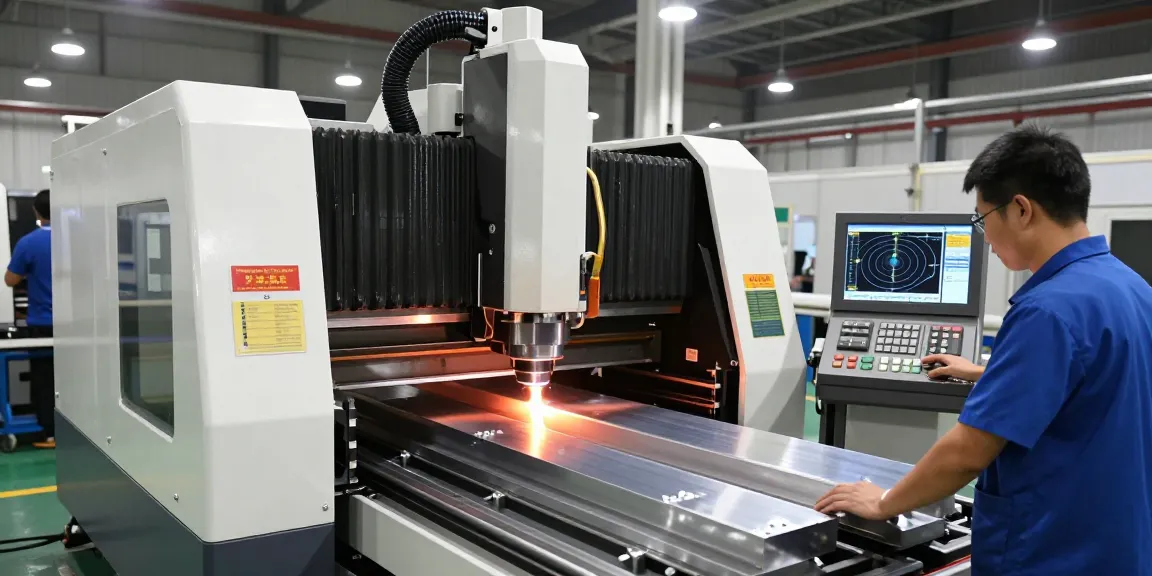
Introduction to CNC Press Brake Technology
With the evolution of modern manufacturing, CNC press brakes play a vital role in shaping metal into precise forms. These complex machines employ advanced technologies to bend or fold sheet metal with exceptional accuracy, enabling manufacturers to produce intricate parts for various industries. In this article, we will delve into the intricacies of CNC press brake technology, exploring its functionalities, components, and applications, while providing insights into the latest advancements shaping the future of this crucial equipment. Particularly, when exploring options, cnc press brake systems offer valuable features that enhance operational efficiency.
What is a CNC Press Brake?
A CNC (Computer Numerical Control) press brake is a machine used in metal fabrication for bending or forming metal sheets. It operates using a combination of computer programming and hydraulic or mechanical force, allowing operators to produce precise angles, curves, and shapes commonly required in various manufacturing processes. The CNC technology integrated into these machines enables automation and consistent repeatability, significantly improving throughput and reducing error rates in production.
Key Components and Features
The core of a CNC press brake includes several vital components that work in concert to ensure efficiency and precision:
- Frame: The structural support that houses all other components, ensuring stability and strength during operation.
- CNC Controller: The brain of the press brake, interpreting design files and controlling the positioning of the ram and the workpiece.
- Ram: This part holds the bending tool and exerts force downward to shape the metal sheet.
- Backgauge: An adjustable component that ensures accurate positioning of the metal sheet before bending.
- Hydraulic System: Provides the necessary power to operate the ram and adjust the force applied during bending.
Applications of CNC Press Brakes in Industry
CNC press brakes are versatile machines widely used across many industries. Key applications include:
- Aerospace: Precision parts for aircraft and space vehicles, where accuracy is critical.
- Automotive: Manufacturing vehicle components such as chassis and body panels.
- Electronics: Creating enclosures and frames for electronics.
Understanding Hydraulic CNC Press Brakes
The hydraulic CNC press brake is a particular type particularly recognized for its robustness and precision. Unlike mechanical press brakes, hydraulic systems leverage fluid power to facilitate bending.
How Hydraulic Systems Work in Press Brakes
Hydraulic systems in CNC press brakes utilize hydraulic fluid to transfer power. When the CNC controller sends a command to the hydraulic valves, fluid is directed to the ram, causing it to move downwards and exert pressure on the metal sheet. This approach allows for smoother operation and more control over bending processes, resulting in high-precision outputs with minimal effort.
Advantages of Hydraulic CNC Press Brakes
Hydraulic CNC press brakes offer several advantages over traditional mechanical models:
- Increased Force: Hydraulic systems can produce greater bending force, making it suitable for thicker materials.
- Better Control: The ability to fine-tune pressure ensures precise bends with minimal distortion.
- Enhanced Safety: Built-in safety features, such as overload pressure valves, protect operators and machinery.
Comparative Analysis: Hydraulic vs. Mechanical Press Brakes
While mechanical press brakes are appropriate for simpler tasks, hydraulic press brakes far exceed them in capabilities for complex formations. Here’s a quick comparison:
- Complexity: Hydraulic models can handle intricate designs, while mechanical units may require multiple setups.
- Maintenance: Hydraulic systems demand more maintenance due to the need for fluid checks, contrasting with the lower upkeep of mechanical systems.
- Cost: Hydraulic press brakes generally come with a higher upfront cost, but the return on investment through precision and capability often justifies it.
CNC Press Brake Configuration Options
Different manufacturers offer various configurations to suit specific industry requirements when selecting a CNC press brake, providing both standard and optional features that enhance productivity.
Standard and Optional Axes Configurations
Standard configurations for CNC press brakes typically include a 4+1 axis system, where the CNC controls the ram for the Y1 and Y2 axes, the backgauge movement along the X axis, and the crowning adjustment on the V axis. Additional axes like 6+1 and 8+1 can be configured for more complex operations.
Customizations for Specific Requirements
Manufacturers can tailor additional features specific to their needs, such as:
- Custom tool holders for unique bending tools.
- Programmable backgauge stops for different material lengths.
- Enhanced software capabilities for more intricate bends.
Integration with Automation Technologies
Automation integration is increasingly becoming an industry standard. CNC press brakes can be connected with robotic systems for load handling, reducing labor and improving efficiency. Furthermore, implementing Industry 4.0 technologies allows for real-time data monitoring and predictive maintenance, enhancing performance and lifespan.
Safety Features and Standards in CNC Press Brakes
In manufacturing environments where machinery operates with high force, adherence to safety protocols is non-negotiable.
Importance of Safety Protocols
Ensuring operator safety while using CNC press brakes not only meets regulatory compliance but also protects against costly downtime and accidents. Proper training and safety measures minimize risk.
Common Safety Features in Modern Machines
Modern CNC press brakes often come equipped with various safety features:
- Light Curtains: Sensors that stop machine operation when obstructed.
- Emergency Stops: Easy-to-access buttons that shut down the machine instantaneously.
- Safety Guards: Physical barriers that protect operators from moving parts.
Regulatory Standards in CNC Press Brake Operations
Compliance with international safety standards, such as ISO and OSHA regulations, is mandatory for manufacturers. Regular audits and assessments ensure adherence to these guidelines, fostering a safer workplace environment.
Future Trends in CNC Press Brake Technology
As industries evolve, so does technology in CNC press brakes, adapting to meet modern manufacturing demands.
The Role of AI and Machine Learning
Artificial intelligence (AI) is set to play a substantial role in enhancing CNC press brake operations. Machine learning algorithms can optimize bending processes by analyzing historical performance data to predict the best setups, resulting in consistent quality and reduced waste.
Sustainability in CNC Press Brake Manufacturing
Industry leaders are increasingly focusing on sustainable practices, sourcing eco-friendly materials and implementing energy-efficient technologies in manufacturing CNC press brakes. This shift towards sustainable production helps reduce the overall environmental footprint of manufacturing facilities.
Emerging Technologies and Their Impact
The introduction of emerging technologies, such as advanced sensors and IoT connectivity, provides real-time monitoring capabilities that optimize performance and quickly identify potential maintenance needs. This proactive approach drastically improves operational efficiency.
Frequently Asked Questions about CNC Press Brakes
As CNC press brakes gain popularity, many potential buyers have questions. Here, we address some common inquiries.
How to Choose the Right CNC Press Brake for Your Needs?
Choosing the perfect CNC press brake entails evaluating several factors:
- Material thickness and type.
- The complexity of required bends.
- Production volume and frequency.
- Available floor space and utility connections.
What Maintenance is Required for CNC Press Brakes?
Regular maintenance includes checking hydraulic fluid levels, inspecting for leaks, calibrating CNC controllers, and ensuring safety features are functioning correctly. A scheduled maintenance plan minimizes breakdowns and extends machine life.
What Innovations are Expected in CNC Press Brakes by 2026?
By 2026, expect to see further advancements in AI-driven optimization, enhanced energy efficiency through hybrid hydraulic systems, and integration with communal manufacturing networks as part of Industry 4.0 trends. Manufacturers will increasingly adopt these innovations for competitive advantage.