

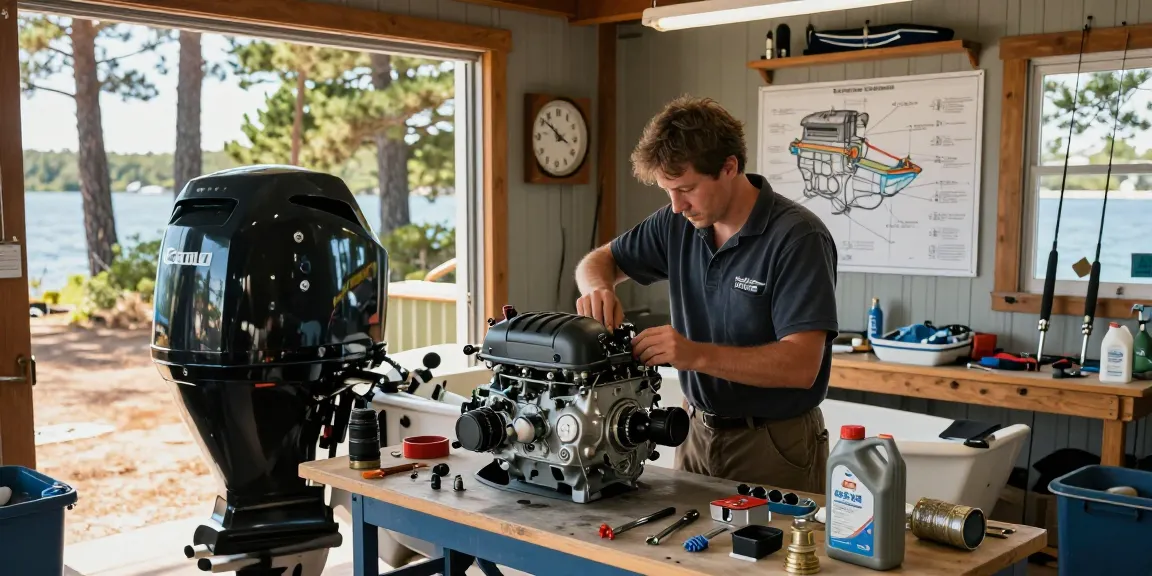
Understanding Outboard Motor Service Basics
Outboard motors are essential for recreational boating, providing the power and performance needed to navigate various water bodies. Understanding the nuances of outboard motor service is crucial for boat owners who wish to maintain the longevity and efficiency of their engines. Routine maintenance not only enhances performance but also ensures safety on the water. This comprehensive guide dives into the basics of outboard motor service, the significance of regular upkeep, and practical tips to help you become a responsible boat owner.
What is Outboard Motor Service?
Outboard motor service encompasses the maintenance, repair, and replacement of various components of outboard engines. This can include checking fluid levels, changing oils, inspecting filters, and diagnosing technical issues. A well-serviced motor performs better, consumes less fuel, and poses fewer risks to the operator and passengers. It is essential for both efficiency and safety during boating excursions.
Common Types of Outboard Motors
Outboard motors come in several types, each designed for specific performance needs:
- Two-Stroke Outboard Motors: Known for their lightweight and simplicity, ideal for smaller boats and quick trips.
- Four-Stroke Outboard Motors: These are more fuel-efficient and quieter than two-strokes, making them popular for long-distance travel.
- Electric Outboard Motors: A growing option for environmentally conscious boaters, offering a quieter ride with lower emissions.
Importance of Regular Maintenance
Regular maintenance of outboard motors is vital for several reasons:
- Performance Optimization: Ensures the motor runs efficiently, maximizing speed and fuel consumption.
- Prolonged Lifespan: Routine service can extend the life of the motor significantly.
- Safety Assurance: A well-maintained motor reduces the risk of failure while out on the water.
- Cost Efficiency: Preventative maintenance often costs significantly less than major repairs stemming from neglect.
Essential Tools for Outboard Motor Service
Basic Tools Every Boat Owner Should Have
Before diving into outboard motor service, it’s essential to equip yourself with the right tools. A basic toolkit should include:
- Screwdrivers: Various sizes for different engine components.
- Wrenches: Both metric and imperial to fit various bolts and nuts.
- Pliers: Useful for gripping and pulling components.
- Oil Filter Wrench: Specifically designed to remove and replace oil filters.
- Multi-meter: For diagnosing electrical issues.
Advanced Diagnostic Equipment
For those looking to delve deeper into outboard maintenance, advanced diagnostic tools are invaluable. Consider investing in:
- Diagnostic Software: Provides real-time reading and error codes from your engine’s computer.
- Compression Gauge: For checking engine compression, an essential diagnostic tool for performance issues.
- Electronic Fuel Pressure Gauge: Helps in monitoring fuel system health.
Safety Gear for Service Tasks
Service tasks can be hazardous if proper safety procedures aren’t followed. Essential safety gear includes:
- Safety Glasses: Protects your eyes from debris.
- Gloves: Keeps your hands safe from sharp tools and chemicals.
- Ear Protection: Important when working with noisy motors.
- Non-slip Footwear: Reduces the risk of slips and falls on a wet surface.
Step-by-Step Guide to Routine Maintenance
Checking Fluid Levels and Changing Oil
One of the most crucial aspects of outboard motor service is regular fluid checks. Start by:
- Checking gasoline levels, ensuring it is fresh and free of contaminants.
- Inspecting oil levels; change the oil based on manufacturer recommendations (typically annually).
- Inspecting the gearbox oil, which should be changed periodically to prevent gear damage.
Inspecting and Replacing Filters
Filters play a vital role in maintaining engine health. Regular inspection and replacement can prevent clogs and damage:
- Fuel Filter: Should be replaced annually or based on hours of use.
- Oil Filter: Change it during every oil change to ensure clean oil circulates.
Cleaning and Adjusting Fuel Lines
Fuel lines can accumulate dirt and debris, which can lead to performance issues. Regularly inspect and clean fuel lines, ensuring:
- All connections are tight and leak-free.
- Lines are free from cracks or wear that could lead to leaks.
Identifying and Troubleshooting Common Issues
How to Diagnose Performance Problems
Recognizing when your outboard motor is underperforming is essential. Symptoms include:
- Decreased speed or power.
- Unusual noises or vibrations.
- Excessive smoke or emissions.
Start diagnosing by checking fuel lines, filters, and oil levels. A more detailed examination may require diagnostic tools.
Common Electrical and Mechanical Issues
Some common issues that may arise include:
- Dead Batteries: Ensuring proper charging and connections is crucial.
- Overheating Engines: Check for clogged water intakes or insufficient coolant.
- Fuel System Issues: Look for leaks or clogs in the fuel filter.
When to Seek Professional Help
While DIY maintenance can save time and money, some issues warrant professional intervention:
- Complex electrical problems requiring specialized tools and knowledge.
- Structural damage that impacts safety or performance.
- Persistent engine warnings after standard troubleshooting steps.
Future Trends in Outboard Motor Technology
Innovations in Outboard Motor Design
As technology progresses, outboard motors are evolving rapidly. Innovations include:
- Hybrid Systems: Combining electric and combustion technology for enhanced efficiency and reduced emissions.
- Smart Technology: Features such as GPS-based monitoring and automatic safety shutoffs are becoming standard.
The Impact of Eco-Friendly Technologies
With increasing focus on sustainability, outboard motor technology is shifting toward eco-friendly solutions. Electric motors and biofuels are gaining traction, aiming to reduce water pollution and conserve energy.
Predictions for Outboard Motor Services in 2026
Looking ahead, outboard motor service will likely see advancements that enhance efficiency, ease of maintenance, and overall user experience. Expectations include:
- More accessible user-friendly diagnostic tools that empower boat owners.
- Increased availability of eco-friendly service parts and oils.
- Integration of IoT (Internet of Things) in motor designs for remote monitoring of engine health.
What are the signs that my outboard motor needs service?
Indicators include unusual noises, reduced speed, and poor fuel efficiency. Regular monitoring helps catch these signs early.
How often should I perform maintenance on my outboard motor?
Routine maintenance should ideally be performed annually, with certain checks like oil changes and filter replacements based on hours of operation.
Can I perform outboard motor service myself?
Yes, many maintenance tasks can be performed by boat owners, provided you have the right tools and resources. Be sure to consult your owner’s manual for specific guidelines.
What should I check before winterizing my outboard motor?
Before winter, ensure you check oil levels, add fuel stabilizer, and flush the cooling system to prevent freezing and corrosion during colder months.
How can I enhance the lifespan of my outboard motor?
Regular maintenance, timely repairs, and using high-quality fuels and lubricants can significantly enhance the lifespan of your outboard motor.