

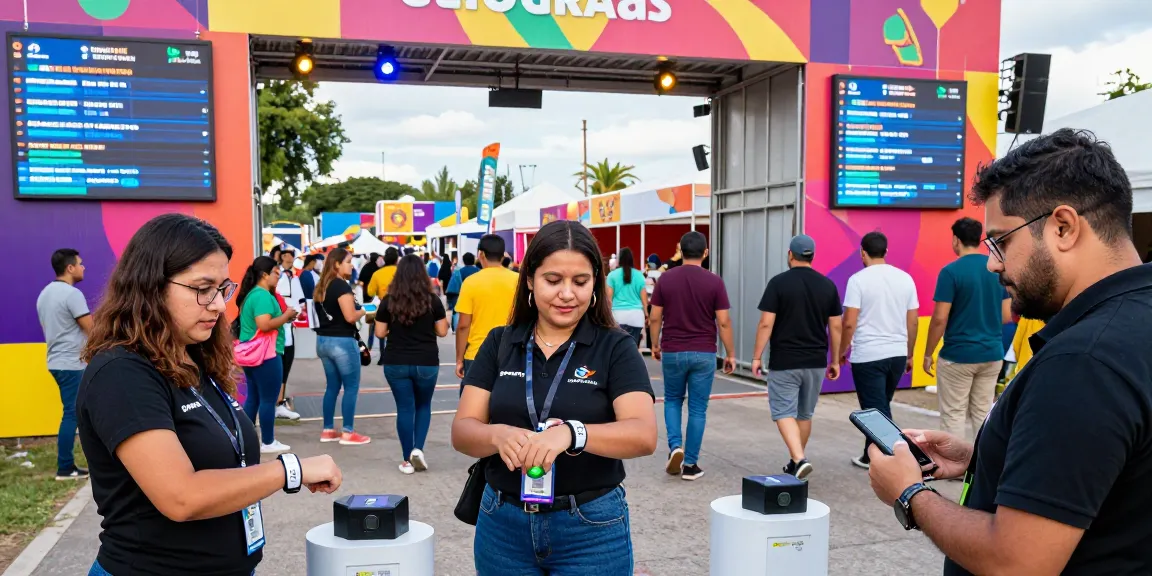
Understanding RFID Technology in Event Management
In the rapidly evolving landscape of event management, the integration of RFID technology has emerged as a transformative tool, especially concerning RFID control de accesos. This technology not only enhances attendee experience but also streamlines operations for organizers. With more festivals and conferences adopting digital solutions to improve logistics, RFID systems are becoming a standard in the industry. As we delve into this article, we will explore the intricacies of RFID technology, its history, and how it can optimize access control for events of all sizes.
What is RFID Control de Accesos?
RFID, or Radio Frequency Identification, is a technology that uses electromagnetic fields to automatically identify and track tags attached to objects. In event management, RFID control de accesos refers specifically to systems that utilize RFID tags and readers to manage entry points, streamline check-in processes, and monitor attendee movement effectively. These systems provide crucial data that can be leveraged for better decision-making and operational efficiency.
The History and Evolution of RFID Technology
RFID technology has its roots in World War II when it was first developed for identifying friendly aircraft. Over the decades, this technology has evolved significantly. The introduction of passive RFID tags in the late 20th century made it possible for businesses to track inventory efficiently. By the early 2000s, RFID began finding applications in various sectors, including retail, supply chain management, and, most notably, event management. Today, RFID is at the forefront of ensuring seamless entry and engagement at events, facilitating a cashless ecosystem that boosts overall guest satisfaction.
Key Benefits of Implementing RFID in Events
Integrating RFID technology in events offers numerous advantages, such as:
- Enhanced Security: RFID systems provide a secure method for managing access, minimizing the risk of unauthorized entry.
- Faster Check-In: RFID wristbands can speed up the entry process, allowing thousands of attendees to enter venues in a matter of minutes.
- Data Collection: Organizers can collect valuable data on attendee behavior and preferences, helping tailor future events.
- Cashless Transactions: Integrating payments via RFID wristbands can enhance attendee convenience, leading to increased sales for vendors.
How to Optimize Access Control with RFID
To maximize the benefits of RFID technology, event organizers must understand how to effectively implement and manage these systems. A comprehensive approach is essential to ensure that both security and user experience are prioritized without compromising efficiency. When exploring options, RFID control de accesos provides comprehensive insights into the best practices for deployment.
Implementing RFID Systems for Efficient Entry Management
Setting up an RFID system requires thorough planning and execution. First, organizers should assess the scale of the event and the expected number of attendees. Selecting the right type of RFID tags—whether passive or active—based on the specific needs of the event is crucial. For instance, passive RFID tags are typically used for wristbands due to their affordability and ease of use.
Real-time Monitoring of Attendee Flow and Density
RFID technology excels in monitoring attendee flow and density in real-time. Organizers can install NFC reading zones at various entry and exit points to track how many people enter and exit the venue at any given moment. This data helps in making informed decisions about crowd management and resource allocation, ultimately improving safety and attendee satisfaction.
Best Practices for Setup and Maintenance of RFID Systems
To ensure the RFID system functions efficiently, organizers should:
- Conduct thorough testing before the event to identify and resolve any issues.
- Train staff on using the system, emphasizing troubleshooting techniques.
- Set up a dedicated support team during the event for immediate assistance.
Enhancing User Experience with RFID
RFID technology not only streamlines operations but also enhances the overall experience for attendees, making it a vital aspect of event management.
Streamlining Entry Points and Reducing Wait Times
By utilizing RFID wristbands, event organizers can create multiple fast-track entry points. This strategy significantly diminishes wait times, allowing attendees to transition from arrival to enjoyment with minimal delays. The convenience of quick access enhances attendee satisfaction and overall event perception.
Integrating Cashless Solutions with RFID Wristbands
Implementing cashless payment systems through RFID wristbands is a game-changer for both attendees and vendors. With a simple tap, attendees can make purchases at concession stands and merchandise booths without the hassle of cash or cards. This convenience not only speeds up transactions but also encourages attendees to spend more, boosting vendor sales profits.
Creating a Seamless Festival Experience for Attendees
A seamless experience is critical for retaining attendees and ensuring they return for future events. By integrating RFID technology into various aspects of the festival—from entry to payments and access to exclusive areas—organizers can provide a cohesive experience that resonates with attendees. Custom features, such as personalized interactions based on RFID data, can create a unique event atmosphere that leaves a lasting impression.
Case Studies: RFID Success Stories
The impact of RFID technology can be seen in various successful events worldwide. Here are a few case studies illustrating its transformative effects.
How RFID Transformed SoundWave Festival with Over 100,000 Attendees
SoundWave Festival implemented RFID wristbands for entry management and cashless transactions. The festival organizers reported zero entry delays despite the attendance of over 100,000 guests. The use of RFID not only enhanced security but also resulted in a 30% increase in bar and vendor sales, indicating that attendees were more willing to spend without cash constraints.
Success Metrics: Measuring Impact on Event Logistics
Post-event reports revealed that the average wait time at entry points decreased by 80%, while real-time data analytics provided insights into peak attendance hours and crowd density. This data was invaluable for future event planning.
Lessons Learned from Implementing RFID Systems
Both SoundWave Festival and TechCon Global learned the importance of staff training and customer support. Ensuring that attendees felt comfortable using RFID systems was crucial to minimize confusion and increase satisfaction.
The Future of RFID in Event Management
As technology continues to advance, the future of RFID in event management looks promising. Organizations must stay informed and adapt to emerging trends to remain competitive.
Emerging Trends in RFID Technology for 2026 and Beyond
In 2026, we can expect advancements in RFID technology that facilitate enhanced data integration and analytics. Innovations may include improved tracking capabilities, more robust data collection, and greater personalization of attendee experiences through advanced machine learning algorithms.
Predictions for Event Management Innovations
With the rise of hybrid events, RFID technology will likely evolve to cater to both in-person and virtual attendees. This could include remote check-ins and real-time interaction through digital platforms, enabling a seamless experience regardless of location.
Expert Insights on Staying Ahead of the Curve
Experts suggest that event organizers continuously invest in training and technology upgrades to keep pace with changing expectations. Engaging with industry leaders and participating in technology forums can provide invaluable insights into the latest trends and innovations.
What are the Long-term Benefits of RFID Control de Accesos?
Implementing RFID systems not only provides immediate benefits in terms of efficiency and attendee experience but also offers long-term value. Over time, organizers can build a wealth of data that helps in refining marketing strategies, improving customer engagement, and ultimately, increasing ROI for future events. This data-driven approach positions organizations to be proactive rather than reactive in their planning.