

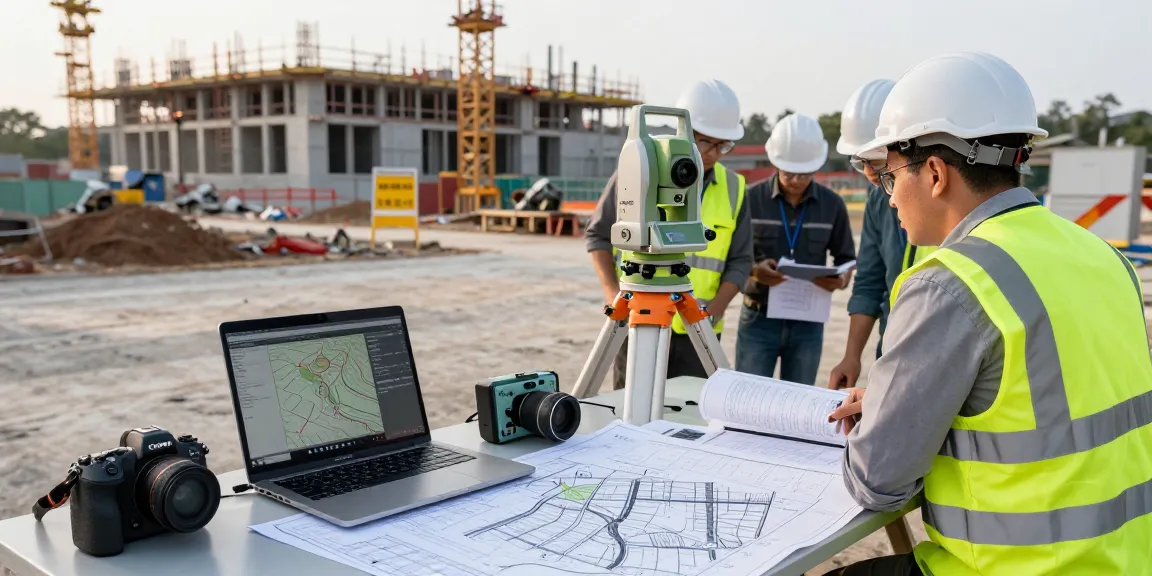
Understanding Topographical Surveys
A topographical survey is a fundamental tool in the realm of land development and construction, providing a detailed representation of the natural and man-made features of a specific area. For stakeholders in construction, urban planning, or real estate, understanding these surveys is critical. They serve as the foundation for many projects, ensuring that all stakeholders have access to precise site data which is essential for making informed decisions. When exploring options, Topographical surveys can provide comprehensive insights into land characteristics that influence project outcomes.
What Are Topographical Surveys?
Topographical surveys, often referred to as land surveys, topo surveys, or terrain surveys, are detailed, scale-based representations of a parcel of land. These surveys encompass a wide range of features, including elevations, depressions, natural landforms, and man-made structures like buildings, roads, and utilities. By capturing these elements, topographical surveys offer a comprehensive understanding of the terrain, which is vital for architects, engineers, and planners.
Key Features of a Topographical Survey
- Elevation Data: Accurate elevation measurements help in understanding the landscape’s gradient and contours.
- Natural and Man-Made Features: Detailed mapping of both elements ensures that all relevant factors are considered in planning.
- Scale Representation: The scale used in these surveys allows for precise translations of real-world distances onto maps.
- Integration with Technology: Modern topographical surveys often integrate with CAD and GIS technologies to enhance usability.
Common Misconceptions About Topographical Surveys
Many people mistakenly believe that topographical surveys are only necessary for large commercial projects. However, they are equally important for small residential developments. Others think that a simple plot plan suffices for any construction project, which often leads to costly mistakes down the line. Understanding the true scope and necessity of these surveys is crucial for all stakeholders involved in land development.
Why Topographical Surveys Are Essential
Investing in a topographical survey is not just a good practice; it’s often a requirement for successful planning and development. The data provided by these surveys plays a crucial role in multiple stages of a project, from initial planning to execution.
Supporting Planning Applications
Local authorities typically require topographical surveys as part of the documentation for planning applications. These surveys demonstrate that proposed developments are suitable for the land’s existing features and comply with UK planning regulations, which is fundamental for gaining project approvals.
Identifying Site Risks and Constraints
Topographical surveys play a vital role in identifying site-specific risks and constraints, such as flood zones or unstable ground. By highlighting these potential hazards, architects and engineers can develop safer, more practical designs that mitigate risks associated with the terrain.
Preventing Costly Errors in Development
Inaccurate land data can lead to significant reworks, structural issues, or even legal disputes. A precise topographical survey ensures that construction begins with reliable data, reducing the likelihood of costly errors and saving time and money in the long run.
Who Needs a Topographical Survey?
Topographical surveys are essential tools for various stakeholders in the construction and real estate industries, ensuring that all aspects of a project are well-planned and executed.
Stakeholders in Construction Projects
Contractors and construction managers need comprehensive land data to inform their building strategies. Without access to accurate topographical surveys, they risk miscalculating project requirements and timelines.
Real Estate Developers and Investors
For real estate developers and investors, topographical surveys provide crucial insights into land potential and existing constraints. This information can significantly impact investment decisions and development plans.
Architects and Engineers’ Reliance on Survey Data
Architects and engineers depend heavily on the information provided by topographical surveys. The data aids in creating designs that are not only aesthetically pleasing but also functional and safe.
Methods and Equipment Used in Topographical Surveys
Modern topographical surveys employ a variety of advanced techniques and tools to achieve accurate results, crucial for any successful survey.
Advanced Surveying Tools and Technologies
Topographical surveyors utilise several types of equipment, including Total Stations, GPS equipment, and 3D laser scanners, to gather data with centimetre-level accuracy. Each tool serves a unique purpose in capturing detailed site information.
How 3D Laser Scanning Enhances Accuracy
3D laser scanning, also known as LiDAR (Light Detection and Ranging), captures millions of data points per second, allowing for detailed 3D models of complex terrains and structures. This technology ensures that every nuance of the landscape is recorded, contributing to highly accurate survey results.
The Role of Drones in Modern Surveying Practices
Unmanned Aerial Vehicles (UAVs) or drones have revolutionised topographical surveys. Equipped with high-resolution cameras and photogrammetry software, drones can access hard-to-reach areas and provide comprehensive aerial views of sites, which are invaluable for large projects.
Cost Considerations for Topographical Surveys
Understanding the financial aspects of topographical surveys is essential for clients to prepare their budgets effectively.
Factors Influencing Survey Pricing
Several factors can influence the cost of a topographical survey, including the site’s size, complexity, and location. For instance, a small residential site may require less time and fewer resources compared to a large commercial property.
Typical Pricing Ranges in the UK
In the UK, prices for topographical surveys can vary greatly. Smaller residential plots may start at about £450-£750, while large commercial or complex infrastructure projects could exceed £1,500. It’s important to obtain precise quotes tailored to specific project needs.
How to Get a Tailored Quote for Your Project
To receive a tailored quote, clients can submit their site details to surveying companies. This process generally involves describing the project requirements and any specific challenges the site may present.
What if I need a topographical survey?
If you require a topographical survey, it’s essential to contact a reputable surveying service with experience in your area. They can provide you with the necessary support to start your project on the right foot.
How long does a topographical survey take?
The duration of a topographical survey can vary based on the complexity and size of the site. Generally, a survey may take a few days to a few weeks to complete, including data processing and reporting.
Can I use an online tool for topographical surveys?
While there are online tools available for basic mapping, they do not replace the accuracy and detail provided by professional surveys. Professional services offer expertise and precision that automated tools cannot match.
Are there different types of topographical surveys?
Yes, topographical surveys can vary based on their purpose, such as boundary surveys, site surveys for construction, or detailed terrain analysis for environmental studies. Each type is designed to meet specific needs and project requirements.
What happens if there are errors in a topographical survey?
Errors in a topographical survey can lead to significant setbacks, such as construction delays or legal disputes. Therefore, it’s crucial to work with professional surveyors who have a proven track record of accuracy and reliability.